Project
Polokwane Branch
A Polokwane supplier setup shaped for machine uptime, material staging, and training that fits the work already coming through.
A normal Monday to Friday at the Polokwane branch
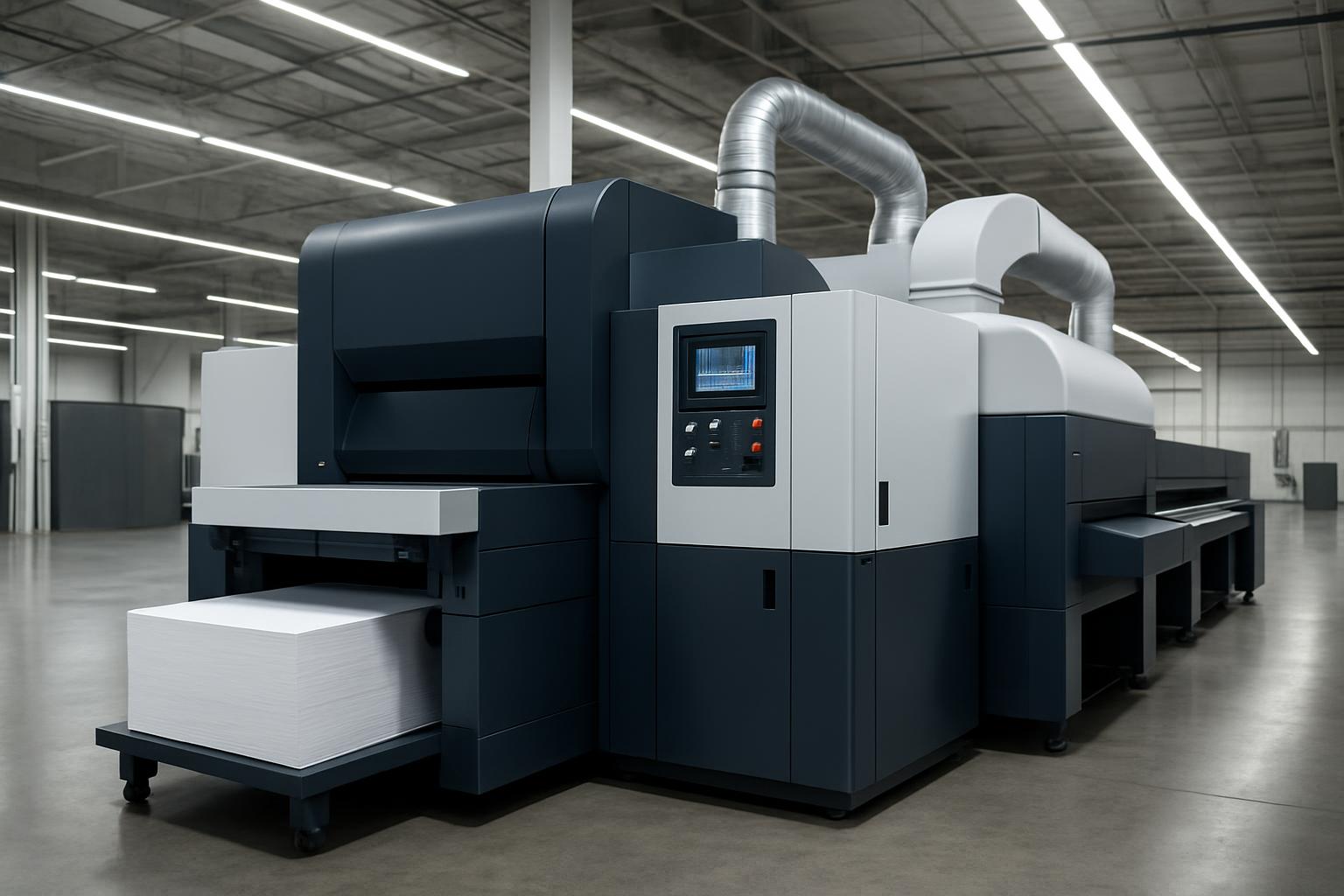
This Polokwane supplier setup is planned around uptime and clean material staging. Training is matched to the work already coming through, so operators can run the machine with the routines the shop actually uses.
For workshops in Polokwane, the starting point is the mix of board, plate, and cut parts moving through the workshop each week. MDF and melamine need dust extraction that stays effective through long nesting runs, while aluminium brackets and steel plasma work call for separate handling, storage, and cleanup. In Polokwane heat, machine placement, power stability, and sheet loading space affect uptime more than a tidy spec sheet.
The first set of workshop photos should show the machine area, stock racks, and where finished parts are stacked before dispatch. That makes it easier to spot cramped loading access, dust build-up near cabinets, or sheet handling that can mark material before cutting starts. A short printed check near the control station helps the operator confirm air, extraction, lubrication, and the first tool before production begins.
Polokwane handover pack
This project is handed over with machine notes, operator checks, and a layout list tied to the work the supplier is actually processing. Tooling, sheet sizes, hold-down method, and routine service points are written in plain terms for the router, mill, or plasma setup on site. One stable process for repeated parts matters more here than extra options that complicate training.
Before the Polokwane branch expands into another cell, review the current machine list, stock flow, and the paperwork used at dispatch. Check router bits, collets, consumables, and plate or board storage against the jobs that are slowing output.
- Machine layout matched to stock flow
- First start checks beside the control
- Operator notes kept with the machine
Polokwane workshop conditions
Polokwane workshops often need a setup that copes with mixed jobs rather than one repeated product line. Board packs, aluminium sections, and occasional steel work require clear staging so loading and dispatch do not choke the machine area. If the present router, mill, or plasma table is still earning, the brief should separate ongoing production needs from the fixes that cannot wait.
Dry inland dust changes cleaning intervals on rails, extraction lines, sensors, and electrical enclosures. Power interruptions mean the restart routine must include re-homing, vacuum or air checks, and inspection of the first cut part before normal production resumes. Any site demonstration should use the material thicknesses and cut quality the workshop needs for supply work, not only easy sample pieces.
Operated by Astros Marketing (Pty) Ltd from 2 Makro Place, Sunnyrock 1401.
Polokwane supply brief points
Brief the Polokwane branch with workshop photos, stock types, lead times, and the points where the present setup is slowing supply down.
File the project note with workshop photos, stock types, and sample parts from the same visit. That gives the buyer a clean record of machine fit, material handling, and the exact points where the current setup is slowing orders through the shop.
What our CNC Machinery customers say
Verified Google reviews