Cells
Demo Path
A practical demo cell for South African workshops, prepared for teams who need to see routing, milling, or plasma work on real material.
How Demo Path works in a real CNC workshop
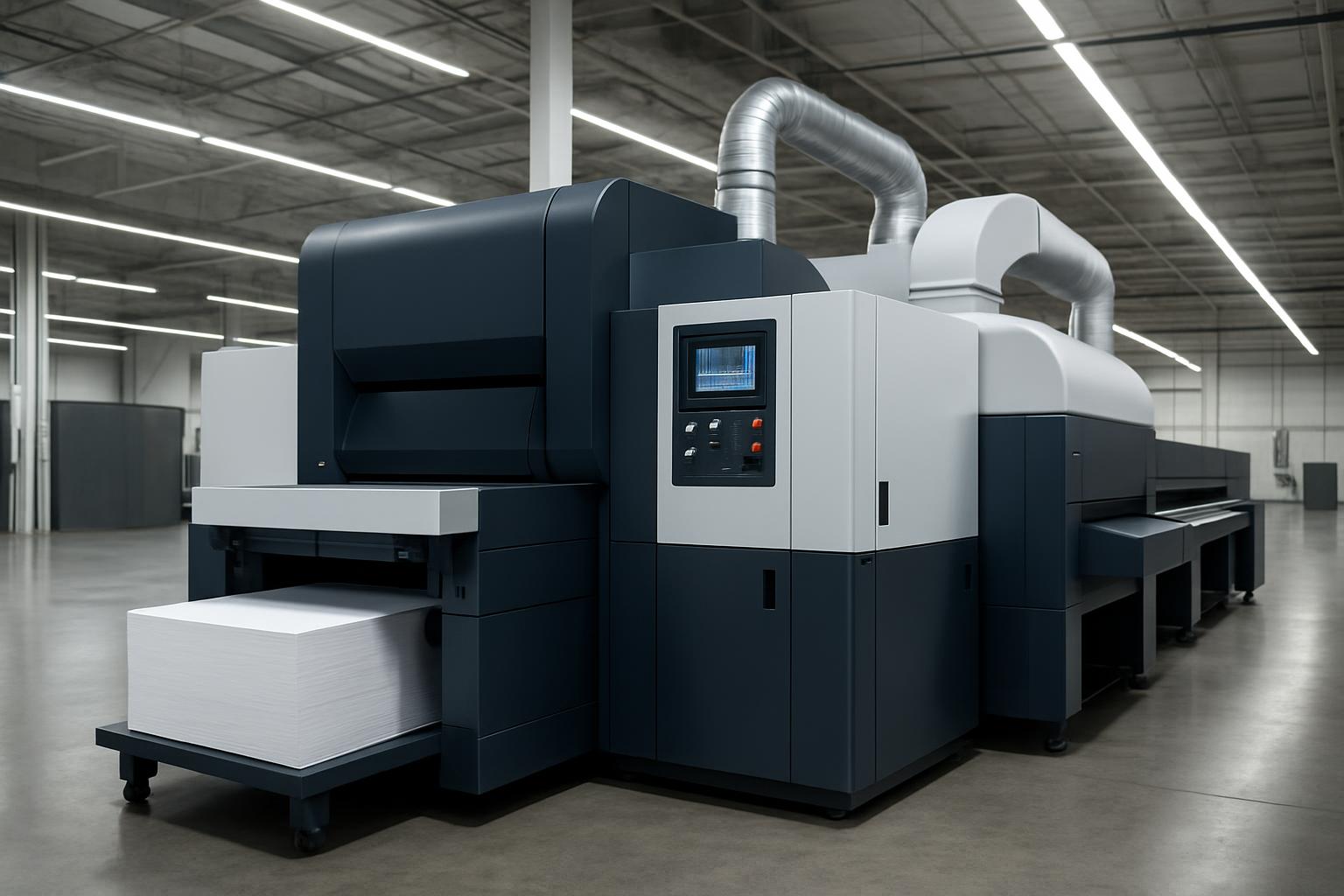
Demo Path is for buyers who want to see a machine cut real material before they decide on a cell layout. It suits South African workshops comparing router, milling, or plasma options and needing the demonstration linked to actual shop work.
For Demo Path, send the machine process first, whether routing, milling, or plasma cutting. Include the material grade, sheet or billet size, spindle or torch needs, and any workshop limits such as extractor capacity, single phase areas, or generator changeover during load-shedding. Shops in Johannesburg, Durban, Cape Town, and outlying industrial towns often need the demo matched to the stock and power conditions they deal with every day.
Describe the current work area so the demonstration can be shaped before material is loaded. Cover access around the bed, extraction points, clamping options, and where swarf or fume control may become an issue. That small step can expose cable routing problems, moisture near steel stock, or tight handling space before the cut starts.
What gets checked on the day
A Demo Path session records the cut order, tooling used, feed settings, and the material that went on the table. Buyers can compare edge finish, dimensional accuracy, pierce quality, hold-down behaviour, and how the machine handles the type of work their shop actually runs. The useful outcome is a set of notes tied to one proven job, not a pile of generic options.
Before booking Demo Path, line up the part drawing, material details, and the exact feature you want to inspect, whether that is slot accuracy, aluminium finish, or plasma edge clean-up. Check that the machine type listed for the demo matches the job you need to see. A wide shot of the machine bay and the model number on the gantry let us size up your CNC setup.
- Cut plan matched to your sample job
- Machine checks logged before stock is loaded
- Related: Machines, Cells, Notes
- Material and drawing details sent by email
Workshop conditions that affect the demo
Demo Path must reflect how the workshop actually operates, including forklift access, sheet handling space, extraction layout, and stoppages around production hours. Some sites are running older boards, mixed tooling, or shared compressors, and those details change what can sensibly be demonstrated. If a router, mill, or plasma table is still in daily use, note that so the session fits the working environment.
Coastal air around Durban and Cape Town can influence rust prevention on steel stock, cabinets, and exposed machine surfaces. Inland shops often battle heavier dust, which affects rails, sensors, vacuum systems, and electrical enclosures differently. During load-shedding or generator transfer, a proper demo should also show restart checks, homing, and inspection of the first part after power returns.
Operated by Astros Marketing (Pty) Ltd from 2 Makro Place, Sunnyrock 1401.
Details to include for Demo Path
Brief Demo Path with material details, machine requirements, and what you need to see cut or machined. Keep the subject line clear.
Send the demo brief with the drawing number, material type, thickness, and the result you need to assess on the sample. Mention if the focus is edge quality on MDF, finish on aluminium, hole position on a milled plate, or dross control on plasma-cut steel. Keeping those points together makes the demonstration easier to review against the machine specification and the sample parts.
What our CNC Machinery customers say
Verified Google reviews